comping for ones self while playing the head
There are no comments, leave a comment.
it's easy to make the mistake of learning tunes off a particular recording you have. eg. i learnt stella by starlight from miles 50's/60's recordings. they embellished the tune so much i hadn't learnt the original tune properly, but was relying on their interpretations. practice getting the most out of just the single line melody, if it doesn't sound good on it's own it never will.
don't rely on real books, they're often wrong, go back to the original sheet music or composers lead sheet if you can, and memorize them.
Are you in the Pacific Northwest looking for a jazz jam? Check out our weekly Bellingham Jazz Jam!
Jazz Piano Notebook Series

Volume 1 of this educational jazz piano book contains 15 jazz piano exercises, tricks, and other interesting jazz piano techniques, voicings, grooves, and ideas Scot Ranney has picked up over decades of playing on stage.
Being a pro jazz pianist requires good ears, experience, and a bag of tricks that create the kinds of sounds people expect to hear from a jazz pianist. The entries in this book will give you some of those tricks.

"Latinesque"
Volume 2 has 14 jazz piano exercises and tricks of the trade, and quite a bit of it is Calypso jazz piano related material, including some Monty Alexander and Michel Camilo style grooves. Jazz piano education is through the ears, and books like this help connect what you're hearing to what you want to play.
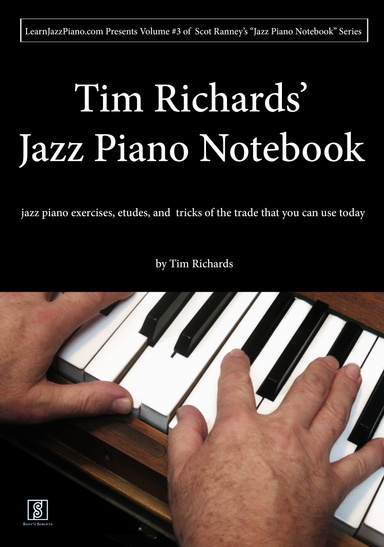
Volume 3 contains 12 jazz piano exercises and explorations by the acclaimed jazz piano educator, pianist, author, and recording artist Tim Richards.
Tim wrote the well known "Exploring Jazz Piano" and "Improvising Blues Piano" books and has several others to his name.
Tim has a new book out Beginning Jazz Piano (Pts 1 and 2)
Many of Tim's books now come with free access to interactive sheet music ONLINE, which permits slowing down of the backing and performance tracks, as well as the option to loop passages for practice purposes.
Tim now also has online VIDEO courses for his books, including Beginning Jazz Piano, Improvising Blues Piano and Exploring Jazz Piano Vol 1:
buy pdf version Tim Richards' Jazz Piano Notebook Volume 3 -
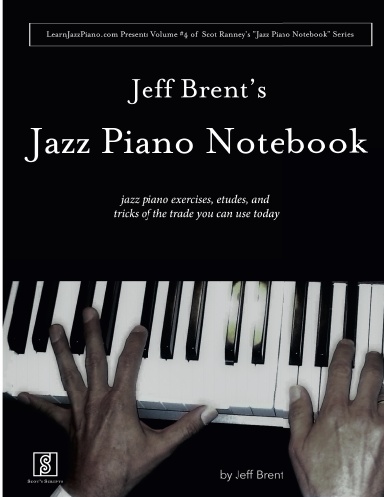
Volume 4 is by Jeff Brent, a jazz pianist, composer, teacher, and author of "Modalogy" and other acclaimed jazz theory and education books. In this book Jeff shares detailed analysis of transcriptions of live performances. He covers everything from the shape of the songs to the tricks and licks he uses in improvised lines to the ideas behind his lush chord voicings.
Most Recent Discussions
Articles
Piano for Adoption Scam
Aprender Jazz en Piano
BEWARE: FREE BABY GRAND PIANO SCAM
Oh Tannenbaum for Jazz Piano
Volume 5 of the "Jazz Piano Notebook Series" is Available!
LearnJazzPiano.com File Downloads News
more...
Top Sheetmusic Picks
Jazzy Christmas Arrangements
Cocktail Piano
Best Songs Ever, 6th Edition
Christmas Medley
Moana Songbook
Late Night Jazz Piano
Jazz piano education is cool.

Rock on. Follow your passion.
Sign In
LearnJazzPiano.com Copyright © 1995-2026 by Scot Ranney • website software and design by scot's scripts
LearnJazzPiano.com is For Sale - Serious Inquiries Only